 An official website of the United States government




Children are not little adults, yet they are often given medicines and treatments that were only tested in adults. There is a lot of evidence that children’s developing brains and bodies can respond to medicines and treatments differently than how adults respond. The way to get the best treatments for children is through research designed specifically for them.
We have already made great strides in improving children's health outcomes through clinical research. Vaccines, treatments for children with cancer, and interventions for premature babies are just a few examples of how this targeted research can be helpful. However, there are still many questions to answer and more children waiting to benefit.
Should your child participate in a clinical study?
We understand that parents and caregivers have many questions when they are considering enrolling a child in a clinical study, and that children and adolescents also want to know what they will go through. The NIH remains committed to ensuring that families trying to decide whether to enroll their child in a clinical study get all the information they need to feel comfortable and make informed decisions. The safety of children remains the utmost priority for all NIH research studies.
Resources
The following resources provide information on why clinical studies are important, how children might benefit from participation, and what you should think about before, during, and after joining a study.

Your Child Can Help Find Cures at the NIH Clinical Center
Healthy children can find cures for different diseases and conditions by participating in research studies at the NIH Clinical Center.
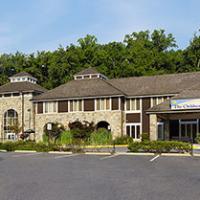
The Children's Inn at NIH
The Children's Inn at NIH is a residential "place like home" for sick children and their families who are participating in medical research at the NIH Clinical Center.