 An official website of the United States government




Give Hope, Give Blood
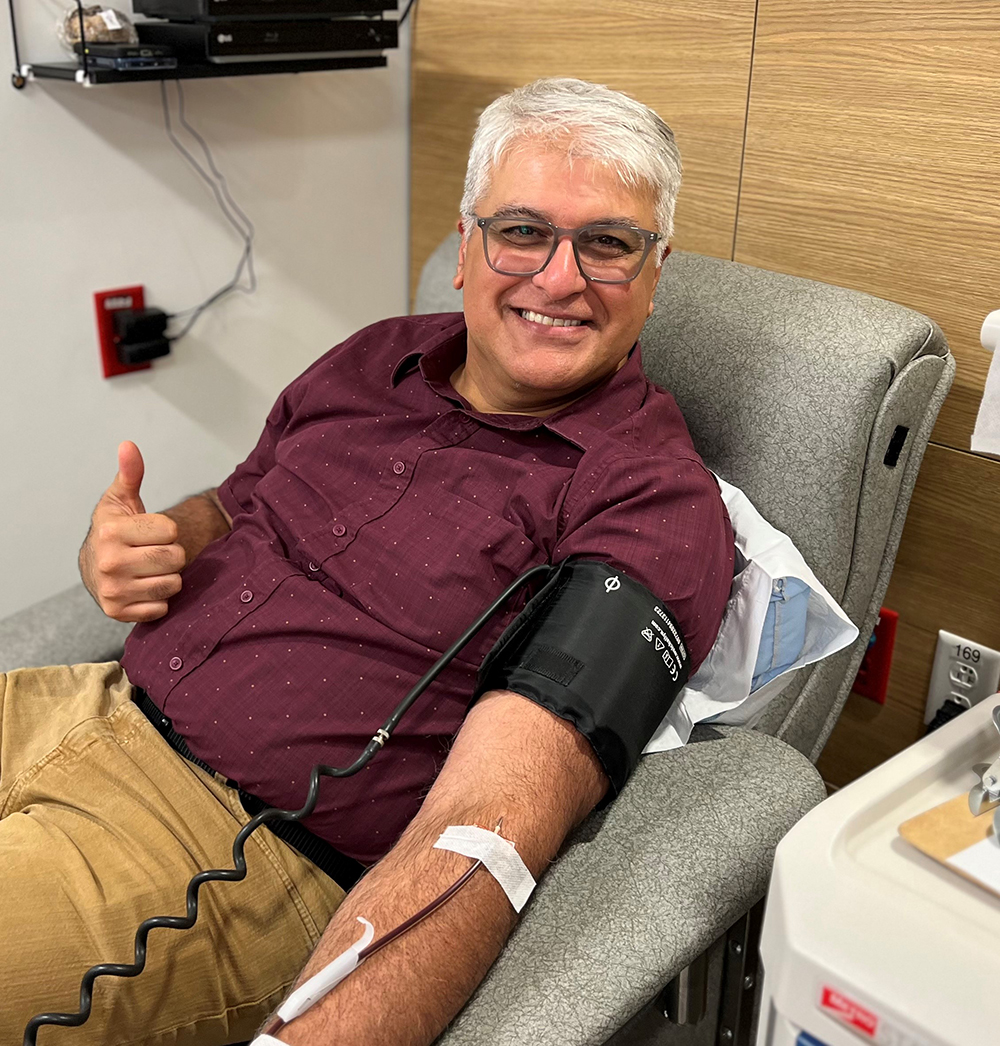
The blood you donate at the NIH Blood Bank is used to support the many patients who come from all over the world to receive treatment. The demand for blood varies according to the needs of the current patient population.
There is no substitute for human blood. We need you.
Ready to donate?
Other types of donations
Learn about the different ways to donate blood and find out which one is right for you – and your blood type!
Learn about blood donation
Need for African American donors
Black and African American donors are most likely to be a match for patients with sickle cell disease who are participating in clinical research studies at the NIH Clinical Center. However, less than 3% of blood donors are Black. Find out more about the need to diversify the blood supply.
Participant testimonial
“Quote from participant testimonial about their experience participating in clinical research at the NIH Clinical Center...”
Did you know?
The blood you donate at the NIH Blood Bank is used to support the many patients who come from all over the world to receive treatment. The whole-blood and component requirements of the Clinical Center vary according to the needs of the current patient population.
<5%
Less than 5% of eligible Americans donate blood

>56 Days
Donors can donate whole blood a minimum of every 56 days

40%
Type O blood is the most common blood type (40% of all donors and patients) and is in highest demand

4%
Type AB blood donors are rare (4% of all donors), but they’re important: they can give plasma to any patient

5 Days
Platelets are only good for 5 days, making the need for platelet donors constant