 An official website of the United States government




Volunteer Stories Clinical Trials Help Build the Future of Medicine
Clinical trial outcomes can help inform our understanding of cancer and improve prevention, diagnosis, treatment, and care. But this progress could not happen without the people who choose to participate in and those who connect people with trials.
Clinical Trials Help Build the Future of Medicine Alyssa (McCune-Albright syndrome)
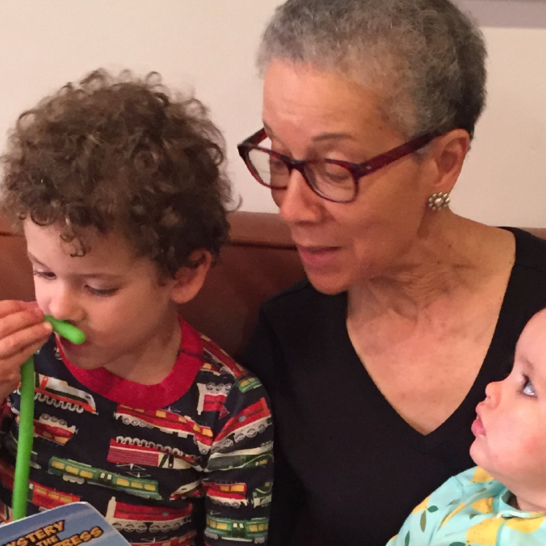
As a participant in a longitudinal study about her rare condition, Alyssa has been coming to the NIH every year since she was in elementary school. Researchers have given her and her family updates and guidance about her growth and have gained valuable data about the way the syndrome is expressed as a person ages.
Alyssa (McCune-Albright syndrome) Annette (mother of a patient)
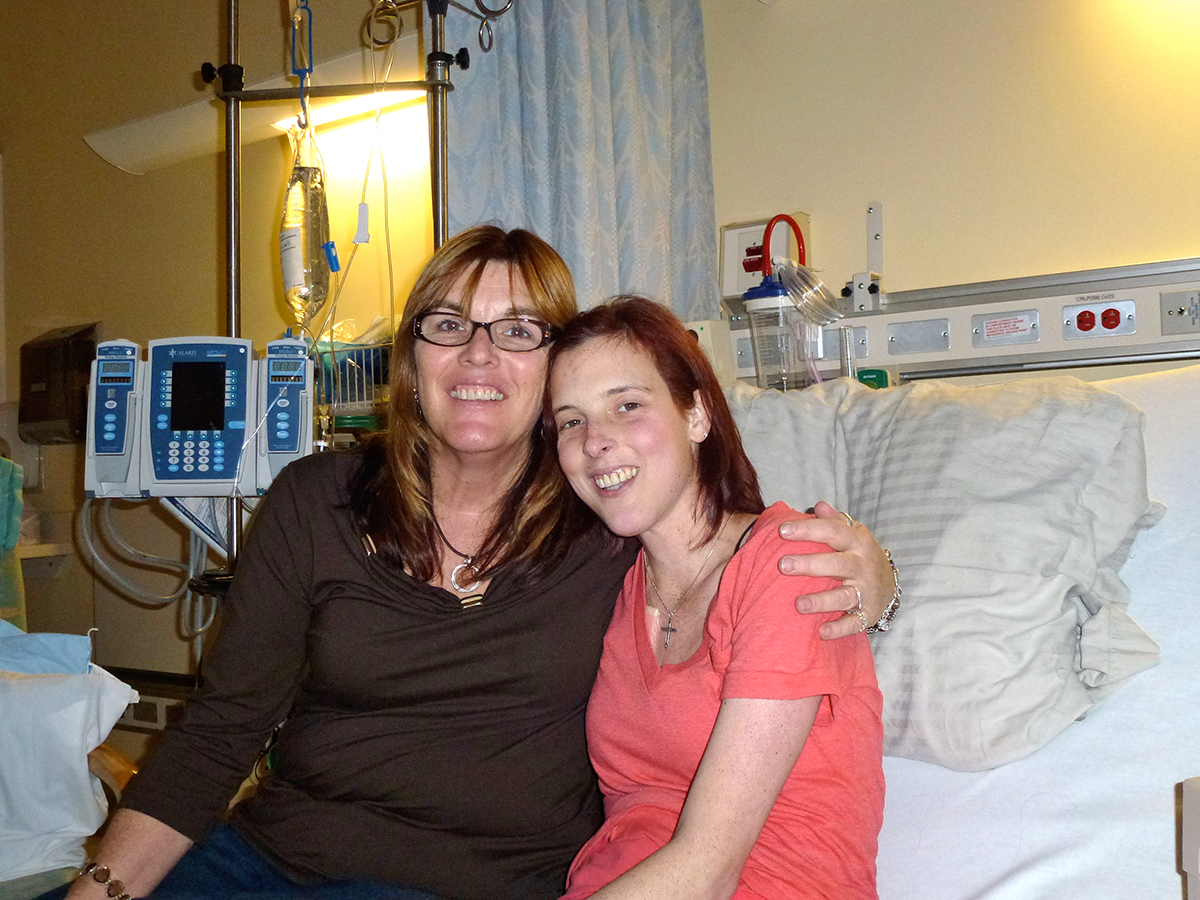
Annette’s daughter, Lauren, received treatment at NIH for Ewing’s sarcoma, a type of cancer. She shares how her experience at the NIH led her to begin painting hospital windows in the NIH Clinical Center.
Annette (mother of a patient) Caitlin (multiple sclerosis)
Caitlin tells about her experience living with multiple sclerosis and her decision to be a part of clinical trial for MS at the National Institutes of Health. The trial has just ended and Caitlin reflects on her fears of deteriorating quickly without treatment and her hopes that her participation will help lead to a treatment or cure one day for others with MS.
Caitlin (multiple sclerosis) David (retinitis pigmentosa)
To truly understand someone’s experience, put yourself in their shoes. No doubt, you have heard this adage and it is certainly the case for the many people who participate in clinical research. Many of us who work at NIH regularly say how invaluable clinical study participants are to improving public health, but have you tried on their shoes yet?
David (retinitis pigmentosa) David (stomach cancer)
David Fogel thought he would never again be able to enjoy ice cream or chocolate cake after his stomach was removed in 2017. That didn’t matter to him, though, if it meant avoiding stomach cancer, a disease that he and several of his family members were likely to develop. Now, six years following the life-altering procedure, he can down an entire hamburger, with fries.
David (stomach cancer) Dhruv (Dock8 deficiency)
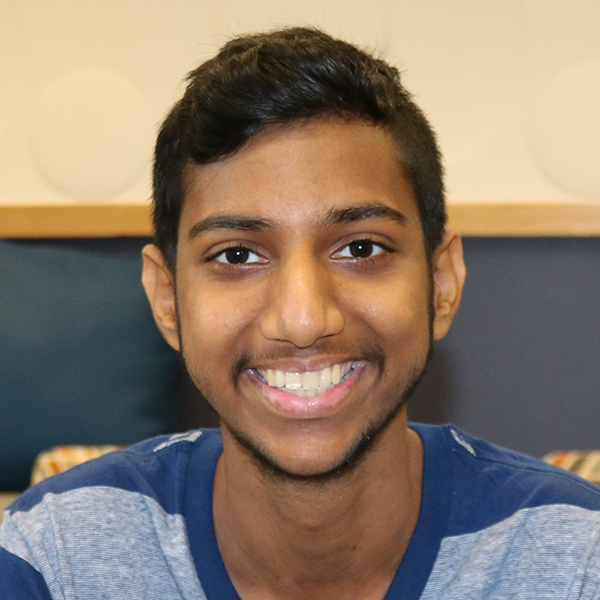
Dhruv always seemed to have skin infections, and he got sick easily. Doctors in his native India originally believed his skin infections were a type of allergy. But medication wasn’t helping. Bloodwork eventually showed Dhruv had been born with a compromised immune system.
Dhruv (Dock8 deficiency) Holden (Crohn’s disease)
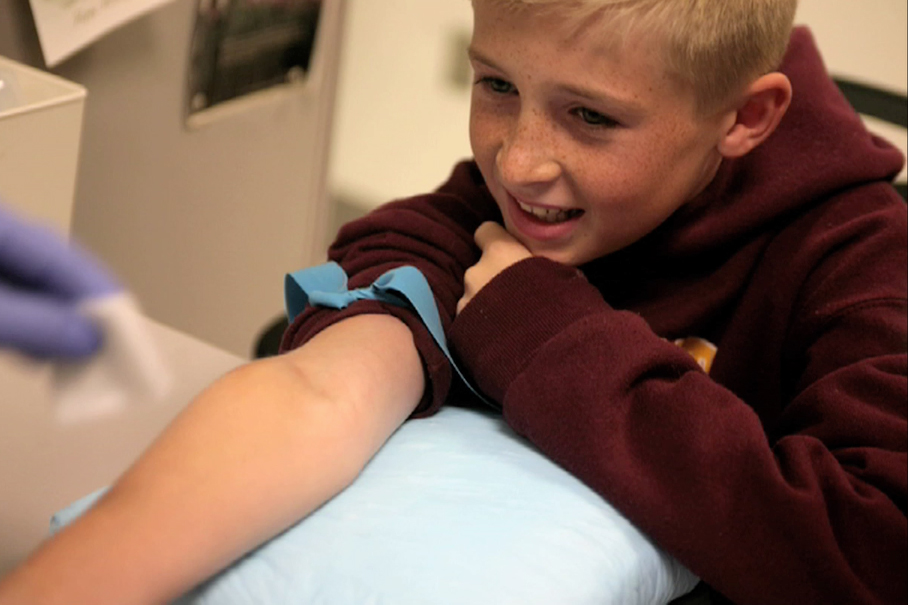
On the surface, Holden looks like the typical ten-year-old boy — soccer jersey, blonde hair and blue eyes, even freckles. But spend some time with him and you will realize that he is dealing with a chronic illness, Crohn’s disease, that makes his life anything but ordinary.
Holden (Crohn’s disease) Jamie (cardiac defect called tetralogy of Fallot)
Jamie Gentille was born with a cardiac defect called tetralogy of Fallot, which required surgery when she was 3 years old. During that surgery, Jamie received a blood transfusion that was infected with HIV. Hear Jamie tell her story about participating in clinical research.
Jamie (cardiac defect called tetralogy of Fallot) Jean (Parkinson’s disease)
Before me, there were hundreds and thousands of other people with Parkinson's who participated in clinical trials that gave me the ability to have the medications that I take today. If people today do not participate in clinical trials, there will be no cure. There will be no new medications.
Jean (Parkinson’s disease) John (amyotrophic lateral sclerosis (ALS))
NINDS Clinical Director Dr. Avindra Nath meets with clinical trial participant Mr. John Michael. Dr. Nath and his research team are conducting an NIH study to better understand amyotrophic lateral sclerosis or ALS. In the video, Mr. Michael shares his experience as a trial participant while Dr. Nath discusses his research.
John (amyotrophic lateral sclerosis (ALS)) Juliana (sickle cell)
Juliana was born with sickle cell anemia, a condition in which the body’s red blood cells are sickle-shaped. It slows or blocks blood flow to parts of the body, causing intense pain called "crisis." Hear Juliana tell her story about how participating in a clinical trial saved her life.
Juliana (sickle cell) Justin (B-cell lymphoma)
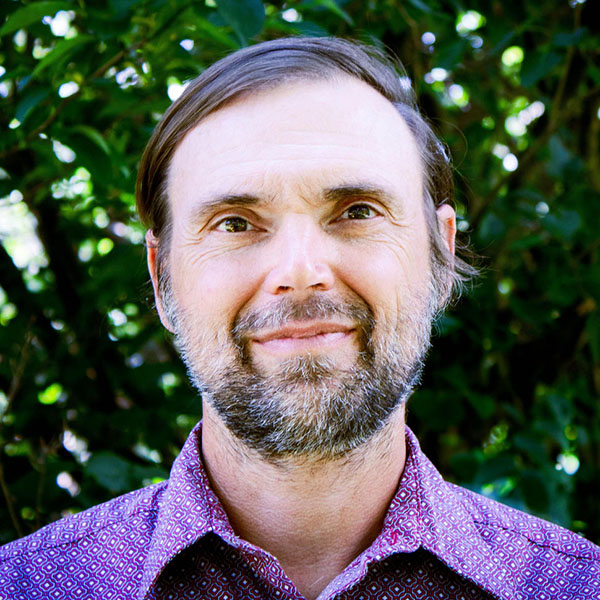
After four standard treatments for non-Hodgkin lymphoma did not work, Justin enrolled in NCI’s 5-drug treatment called ViPOR.
Justin (B-cell lymphoma) LaZann (vasculitis)
NIH patient, Liliana, shares her experience living with lupus and how participating in NIH clinical research has helped her.
LaZann (vasculitis) Len (nephrosis)
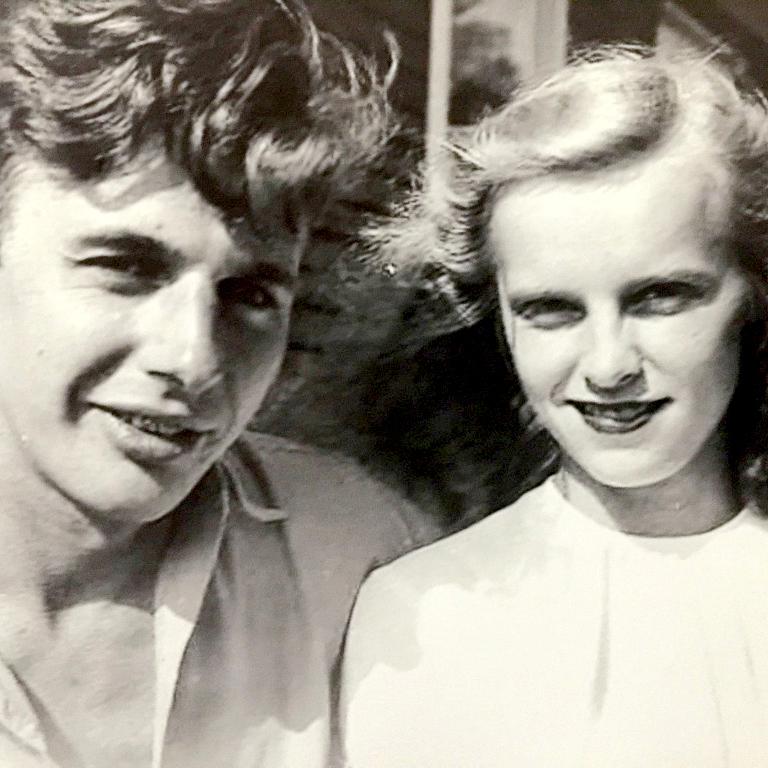
Several years past his WWII military service at Pearl Harbor, following a routine visit to the doctor, Leonard Gardner once again faced imminent mortality—but he didn’t know it until many months later.
Len (nephrosis) Liliana (systemic lupus erythematosis (SLE)) Liliana (systemic lupus erythematosis (SLE)) Lydia (hypoparathyroidism)
As a side effect of a past surgery, Lydia developed hypoparathyroidism, a disorder that inhibits her body’s ability to manufacture enough of a particular hormone. Through a clinical study, Lydia works with researchers to manage the condition’s effects on her bones, and scientists gain useful information about the effects of using a synthetic replacement version of the hormone she lacks.
Lydia (hypoparathyroidism) Maddie (hives when exposed to cold — healthy volunteer)
I actually work in research as well, and I know how important it is to get healthy volunteers, so I thought it would be nice to kind of give back.
Maddie (hives when exposed to cold — healthy volunteer) Mel (chronic myeloid leukemia)
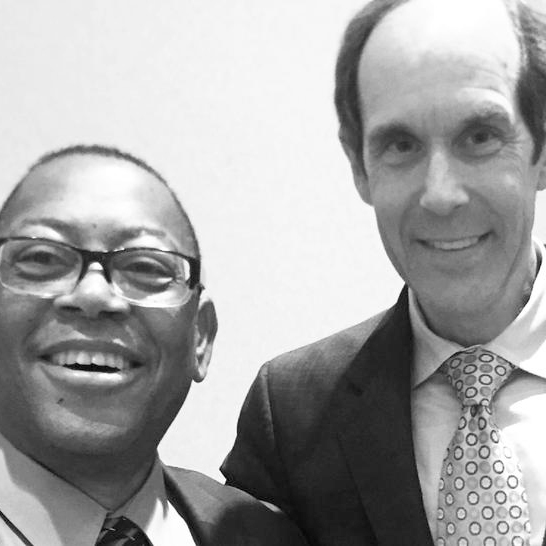
Mel was diagnosed with chronic myeloid leukemia and was running out of time when he enrolled in a clinical trial studying Gleevec, a targeted therapy developed by Dr. Brian Druker.
Mel (chronic myeloid leukemia) Melanie (no disease identified — healthy volunteer)
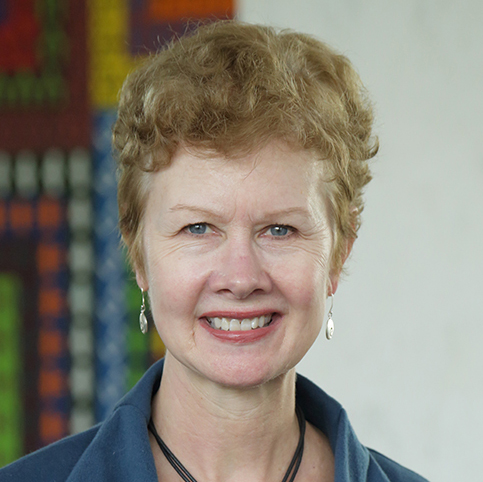
I had a sister who died of cancer, so I believe it is very important for healthy people to help. We have a role to play in helping find new, more effective treatments that can save lives. What could be better than that?
Melanie (no disease identified — healthy volunteer) Nicholas (sickle cell disease)
Nicholas was diagnosed with sickle cell disease soon after he was born. He suffered from hand-feet syndrome as a baby ("He cried and scooted around a lot because of pain in his hands and feet," recalls his mother, Bridget) and had his gallbladder and spleen taken out at age 5.
Nicholas (sickle cell disease) Nicole (systemic lupus erythematosus (SLE))
Nicole talks about her diagnosis of systemic lupus erythematosus (SLE) and subsequent treatment at the National Institutes of Health (NIH).
Nicole (systemic lupus erythematosus (SLE)) Olivia (stage-4 non-Hodgkin’s lymphoma)
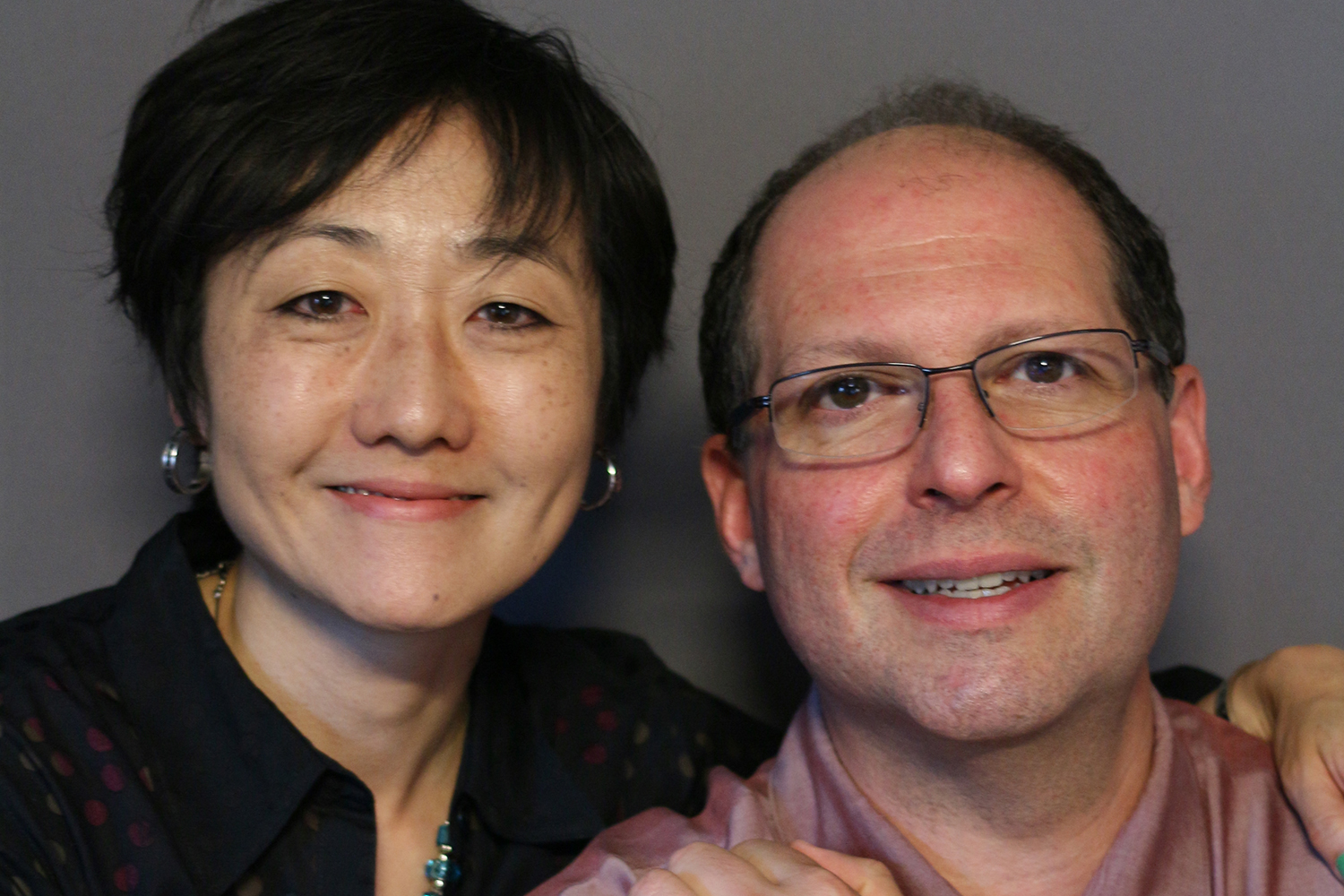
Olivia was diagnosed with stage-4 non-Hodgkin’s lymphoma when she was just 15 years old. It was a rare diagnosis for a teenager, and she was treated in an adult ward. Now almost 50, she returned to the NIH, where Harrison, her husband of 25 years now works, to reflect on how facing her mortality at a young age has affected her life since.
Olivia (stage-4 non-Hodgkin’s lymphoma) Sarah (myxopapillary ependymoma)
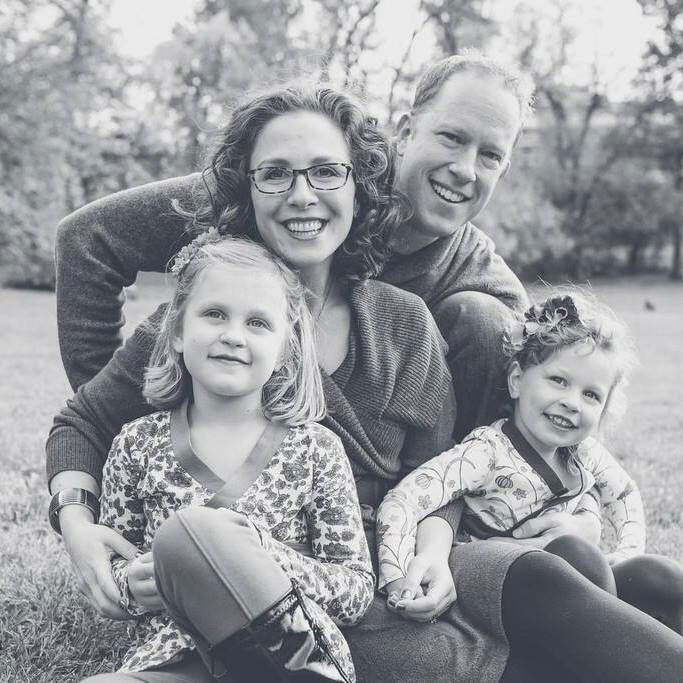
In January 2016, Sarah Rosenfeld had such severe pain shooting down her legs she couldn’t walk, sleep or care for her young daughters. After weeks of physical therapy for what she thought was sciatica, she had an MRI. Thirty-seven-year-old Rosenfeld learned she had something far worse: myxopapillary ependymoma, a rare cancerous tumor in her spinal cord.
Sarah (myxopapillary ependymoma) Shirley (systemic lupus erythematosis (SLE))
Two years after Shirley’s mother passed away from systemic lupus erythematosis (SLE), Shirley was diagnosed with SLE. She shares her story of her diagnosis and subsequent treatment at the National Institutes of Health (NIH).
Shirley (systemic lupus erythematosis (SLE)) Socrates (HIV/AIDS vaccine research)
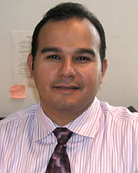
I was born and raised in Culiacan, Mexico, the third of four siblings. I grew up in a very matriarchal family. I contracted hepatitis A when I was 7 years old, and though I made it through, I considered it a curse. I could not donate blood, and that always made me unhappy.
Socrates (HIV/AIDS vaccine research) Sue (cervical cancer)
Sue Scott was diagnosed with stage 1B2 cervical cancer in 2011. She went through the standard course of prescribed treatment, which works for 65% of people with cervical cancer. Unfortunately, she was part of the 35% for whom it did not work. Hear Sue tell her story about how participating in a clinical trial saved her life.
Sue (cervical cancer) Victoria and Julia (Niemann-Pick Disease Type C)
Niemann-Pick disease type C, or NPC, is a rare childhood disease that gradually impairs brain function and movement. Researchers at the National Institutes of Health conduct NPC research, including clinical trials that test promising therapies.
Victoria and Julia (Niemann-Pick Disease Type C) Will (Alzheimer’s caregiver)
When both of Will’s parents developed dementia, he and his wife moved back into his childhood home to be full-time caregivers. He discusses how participating in a clinical trial helped him take better care of himself physically and receive emotional support from other caregivers in his community.
Will (Alzheimer’s caregiver) Zenovia (HIV study — healthy volunteer)
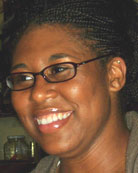
I had never knowingly encountered anyone who was HIV positive until I was a sophomore in high school. It was then that I learned that my uncle had contracted the virus and his health was rapidly failing. I was really surprised that my family never talked about his HIV or how he may have contracted the virus.
Zenovia (HIV study — healthy volunteer) Researcher Stories Building Bodily Cancer Defenses
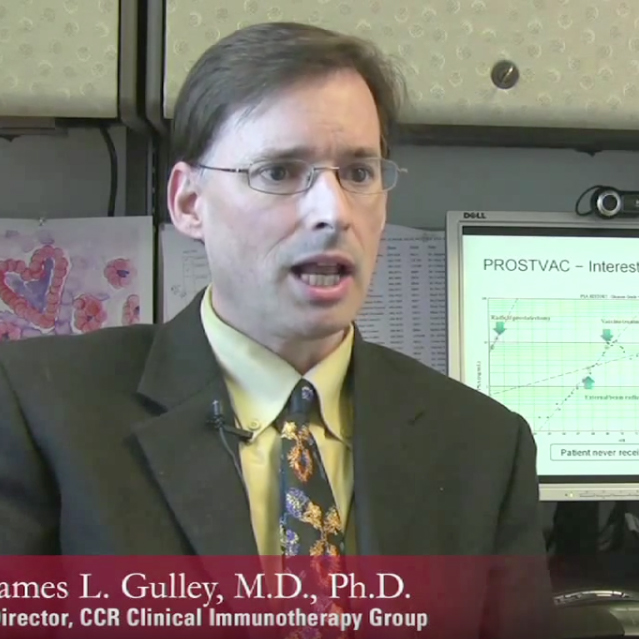
James Gulley provides new tools in the immune system’s fight against cancer
Building Bodily Cancer Defenses Andrea Apolo, M.D. — Spotlight on Scientists
Dr. Andrea Apolo, physician and cancer researcher, discusses her path to medical school and advice for aspiring doctors.
Andrea Apolo, M.D. — Spotlight on Scientists Progress on the Inclusion of Women in Clinical Research
Dr. Janine Clayton, Director of the NIH Office of Research on Women’s Health, discusses the changes made in the inclusion of women in clinical research in the last 25 years.
Progress on the Inclusion of Women in Clinical Research Why Should All Women Consider Participating in Clinical Trials?
The purpose of clinical research is to help understand how the human body works and how health and disease come about. Why is it important for all women to consider participating in clinical trials? The NIH Office of Research on Women’s Health (ORWH) answers this question by sharing personal experiences from clinical trial participants and insights from NIH leaders.
Why Should All Women Consider Participating in Clinical Trials? Children and Clinical Studies
In this video, more than a dozen pediatric clinician-researchers, doctors, and nurses talk about the importance of conducting clinical trials for children and what motivates them to do this critical work.
Children and Clinical Studies Eating Habits
Brian Wansink, Professor at Cornell University, discusses how a lot of eating habits can be changed by changing the environment in which people encounter food.
Eating Habits Addictive Behaviors
Carl Lejuez, Professor of Clinical Psychology at the University of Maryland, College Park, and Director of the Center for Addictions, Personality & Emotional Research, discusses translational research — studying the basic internal processes that lead people to addictive behaviors.
Addictive Behaviors Diabetes
Charlene Quinn, Associate Professor, University of Maryland School of Medicine, discusses new mobile technologies and behavioral changes that could reduce the number of diabetes cases related to lifestyle and eating habits.
Diabetes Skin
Distinguished Professor of Anthropology, Penn State University, discusses how human lifestyle decisions impact the health of our skin and our skin's ability to mediate our health overall.
Skin National Database for Autism Research (NDAR)
The National Database for Autism Research provides a way for scientists share data on human autism studies. Families with autism can accelerate discoveries by participating in research and consenting to have their data shared.
National Database for Autism Research (NDAR) Why Participate in Clinical Research?
NIH-supported ResearchMatch.org helps volunteers and researchers connect for clinical trials. Researchers and clinical trial participants explain what it's like to volunteer for a trial and how it promotes medical advances.
Why Participate in Clinical Research? Why I Do Clinical Research
Clinical research nurses tell about their pleasure in working with clinical trials.
Why I Do Clinical Research Why We Became Scientists
As featured on LabTV, NIH researchers talk about why they became scientists and what they hope to accomplish through their research.